UN Big Bag

4-Loop Big Bags

UN Big Bag

For packaging hazardous materials across chemical, pharmaceutical, and agricultural sectors

A certified and specialized packaging solution for the safe transport of hazardous, chemical, corrosive, toxic, and flammable materials in domestic and international supply chains.
Free Consultation & Place an Order

— 4-Loop Big Bags

What Is a UN Big Bag?

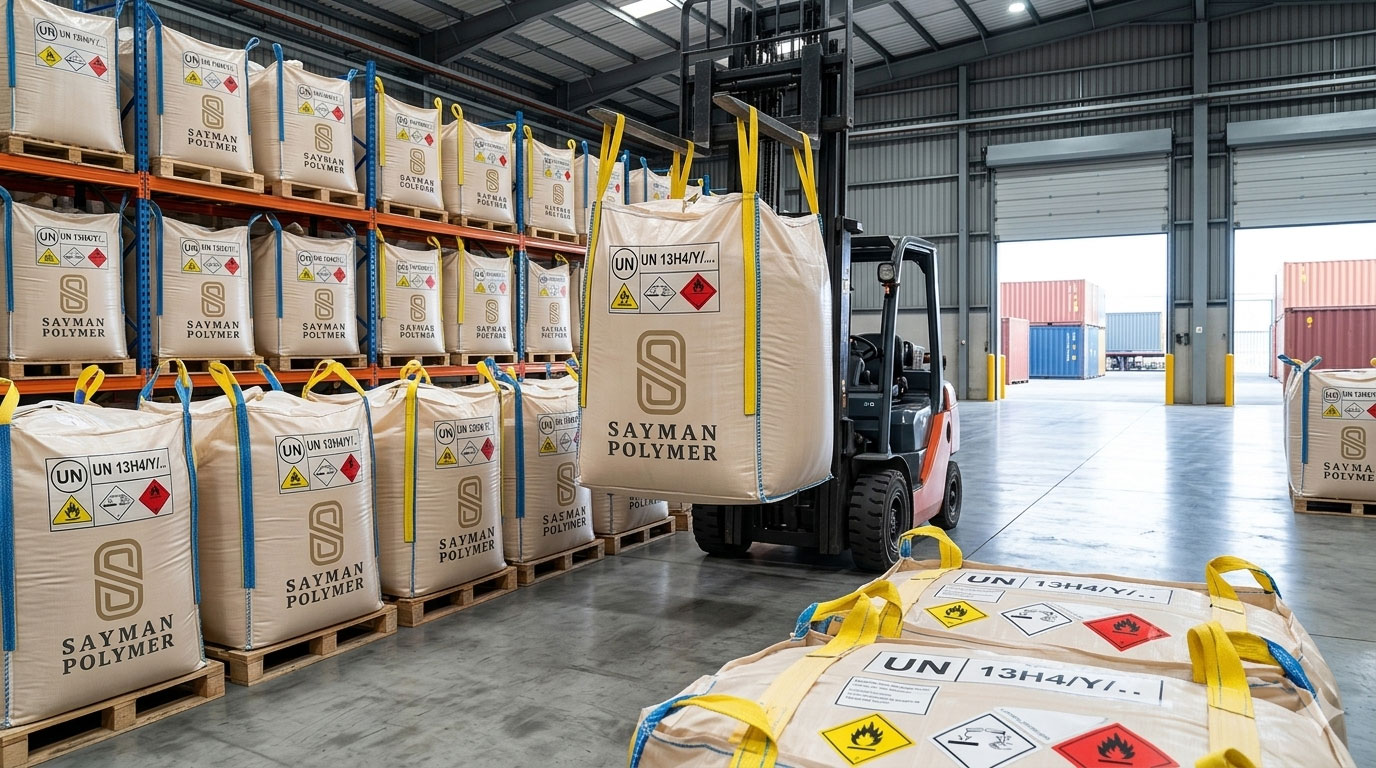
A UN Big Bag is a specialized FIBC packaging solution for transporting hazardous materials, produced according to safe handling requirements and international standards. This product, known internationally as a (UN Big Bag), is used in industries where cargo safety, risk control, and compliance with transport regulations are essential.

At Sayman Polymer, UN Big Bags are designed according to material type, risk level, packaging group, liner requirements, body structure, transport method, and export requirements.

— Features

UN Big Bag Features

A certified solution for packaging and transporting hazardous materials, focused on safety, quality control, and international compliance.

01

UN Certification

Produced according to hazardous material transport requirements

02

ADR Compliance

Suitable for international road transport

03

Quality Control Testing

Bag evaluation before final approval

04

Durable Structure

Withstands handling and transport stresses

05

Multiple Design Options

Available with liner, lamination, and various structures

06

Suitable for High-Risk Materials

Practical for chemical, toxic, corrosive, and flammable products

UN Big Bag
UN Big Bag

Standards and Requirements for UN Big Bag Hazardous Material Transport

These bags are selected and produced according to international hazardous material transport regulations, including ADR requirements for road transport.

In this type of packaging, bag strength alone is not enough. Material type, risk level, transport method, storage conditions, and certification information must also be correctly specified on the bag.

Types of UN Big Bags

UN Big Bags are classified according to body structure, lamination, and the use of an internal liner. The right type depends on material sensitivity, additional protection needs, and transport conditions.

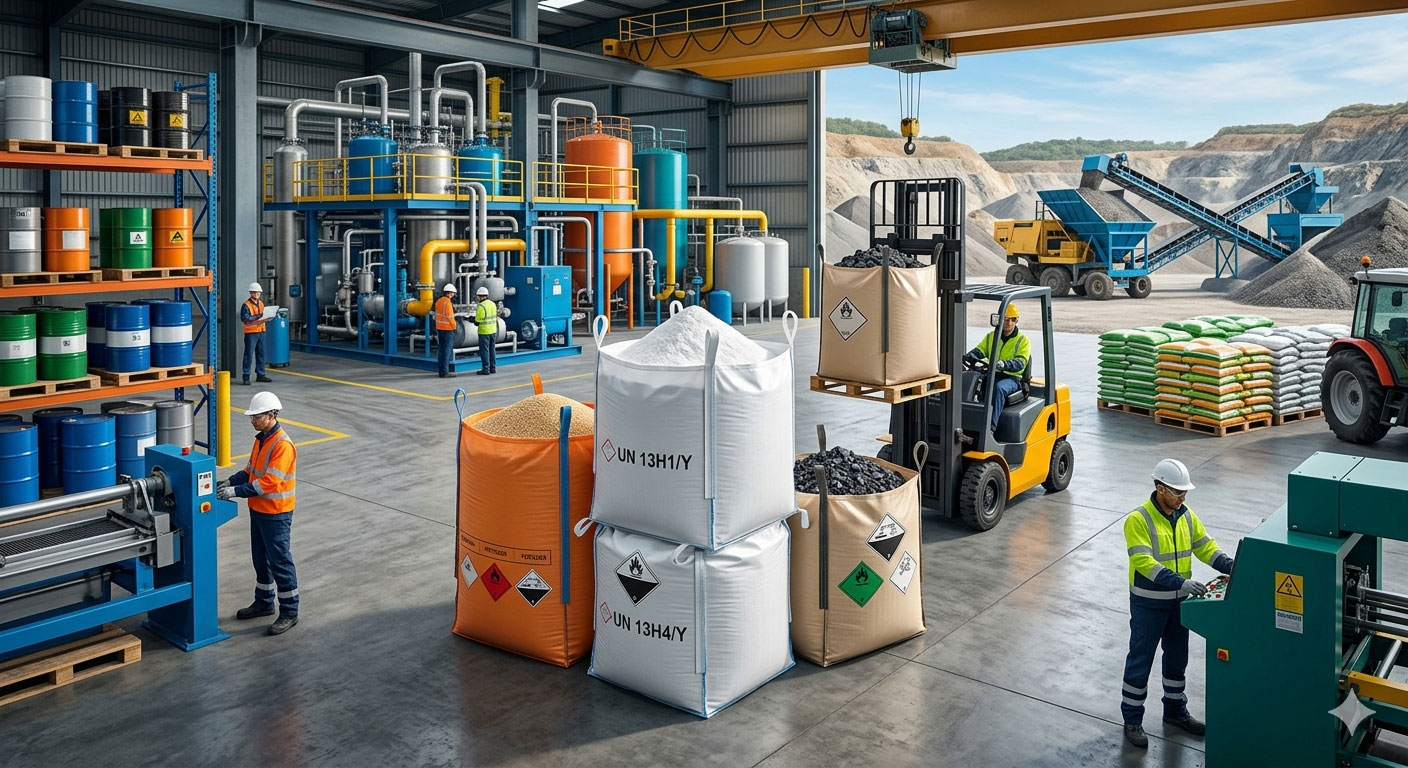
  • 13H1 – Woven bag without lamination and without internal liner
  • 13H2 – Laminated woven bag without internal liner
  • 13H3 – Woven bag without lamination, with internal liner
  • 13H4 – Laminated woven bag with internal liner

Risk Level Grouping in UN Big Bags

Hazardous materials are classified into packaging groups based on risk level. This grouping defines the level of hazard for which the packaging must be designed and approved.

Group X

For high-risk materials. Recommended maximum volume: 1.5 m³

Group Y

For medium-risk materials. Recommended maximum volume: 3 m³

Group Z

For low-risk materials. Recommended maximum volume: 3 m³

— Quality

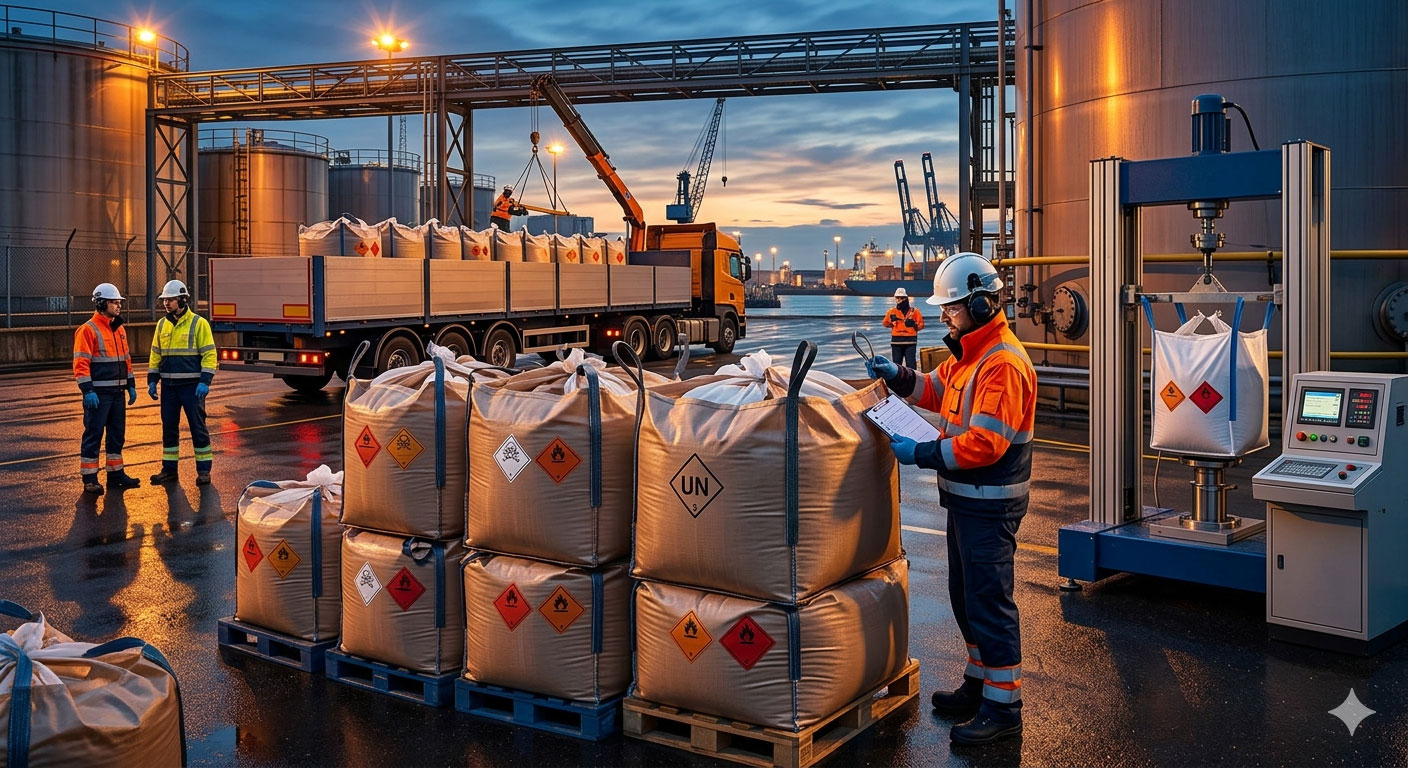
UN Big Bag Quality Control Tests

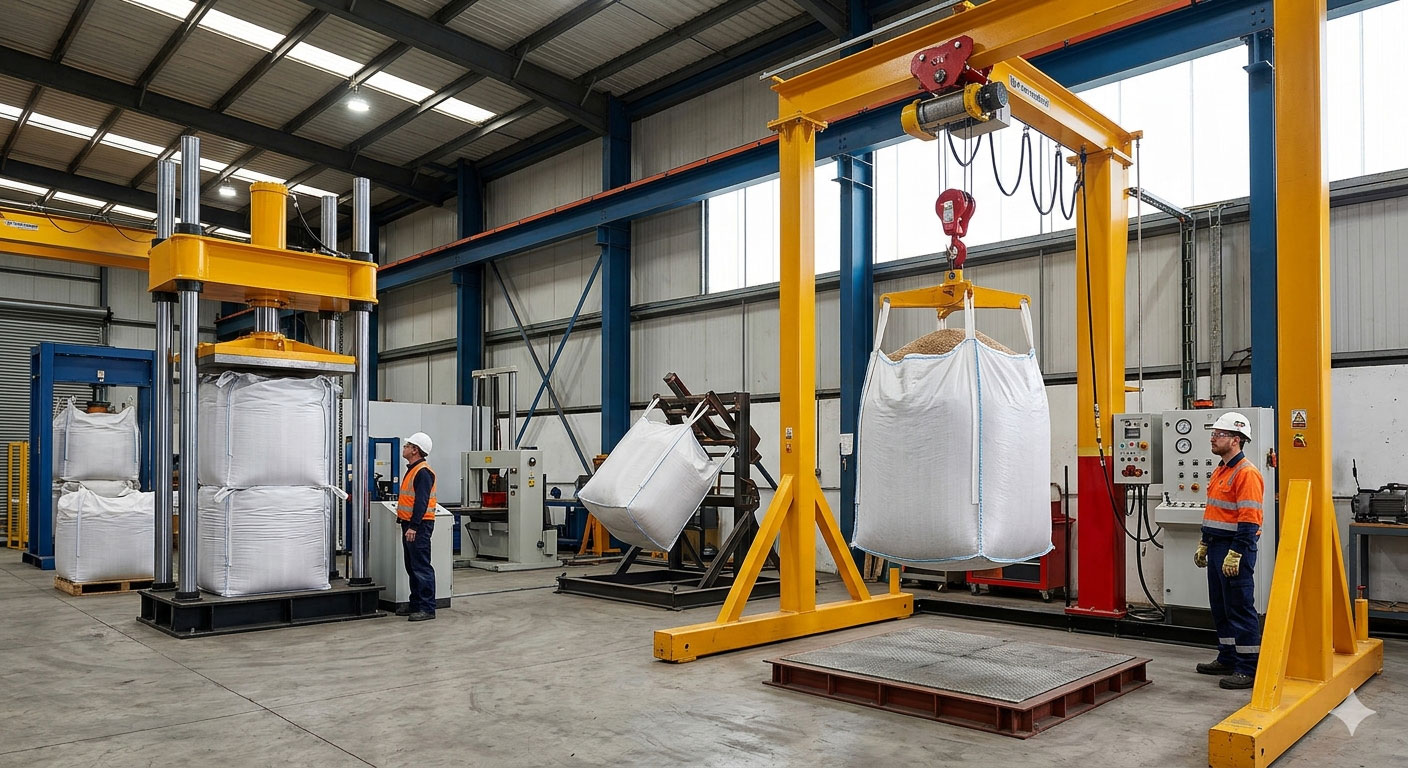
Before final approval, a UN Big Bag must pass defined quality control tests. These tests evaluate bag performance under transport, drop, pressure, storage, and potential damage conditions.

01

Tear Test

Checks body resistance against tearing and damage propagation

02

Drop Test

Evaluates bag performance against impact caused by falling

03

Topple Test

Checks stability and resistance when the bag falls or rotates

04

Righting Test

Evaluates shape retention and bag safety under operational conditions

05

Stacking Test

Assesses bag resistance under load and warehouse stacking

04

Burst Test

Checks bag tolerance against pressure and severe stress

UN Big Bag
جامبوبگ‌های ۴ بند

UN Big Bag Applications

UN Big Bags are used for transporting and packaging materials where compliance, risk control, and handling safety are essential.

  • Chemical Industry: Packaging powders, granules, and industrial chemical materials
  • Pharmaceutical Industry: Handling raw materials and sensitive pharmaceutical compounds
  • Agriculture and Pesticides: Packaging agricultural materials, fertilizers, and pesticides
  • Mineral Industry: Transporting minerals and high-risk extracted materials
  • Hazardous Materials: Suitable for flammable, corrosive, toxic, and sensitive materials
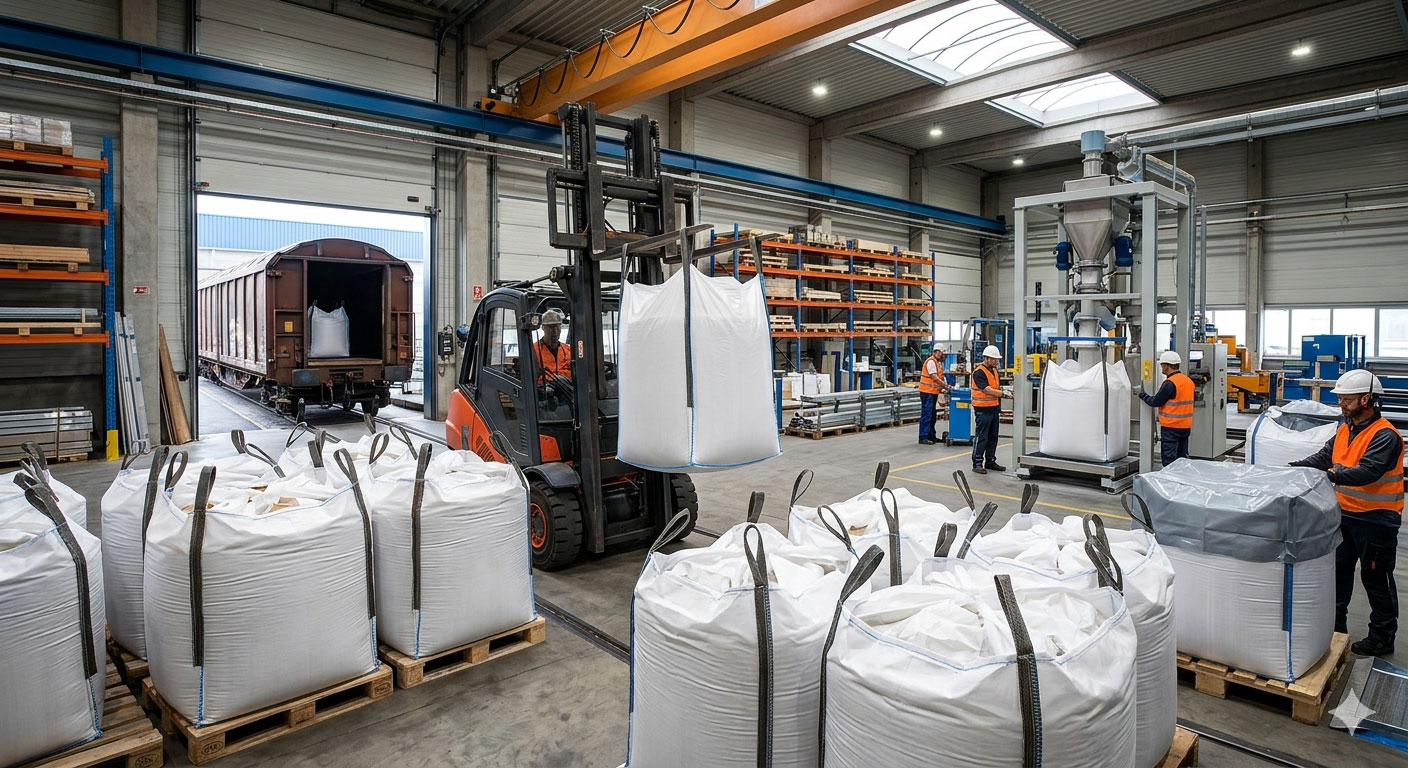
export
import
handles